What is an Aluminum Welder Machine and How Does It Work?
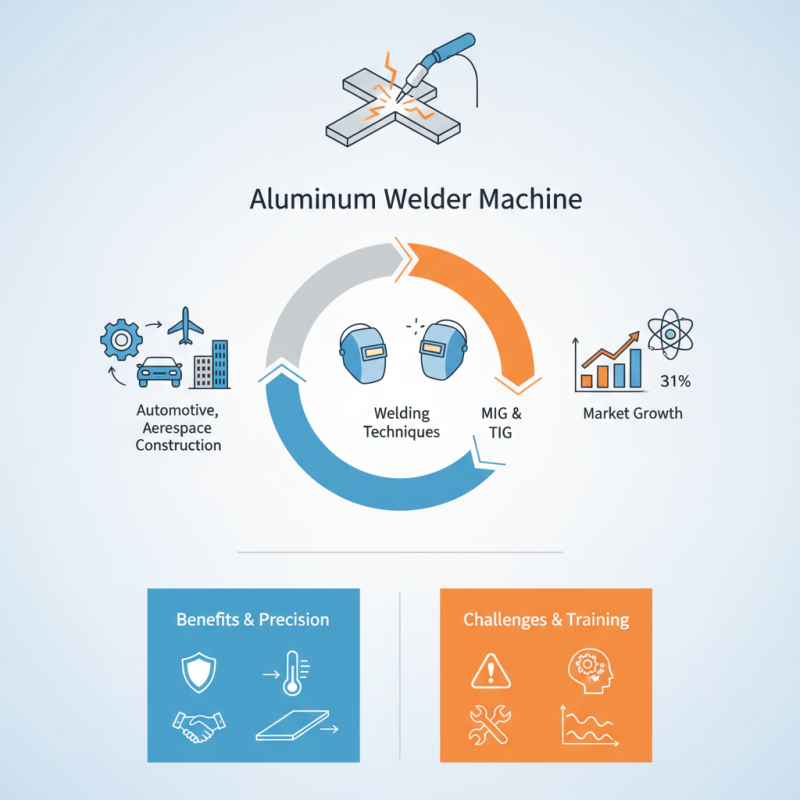
The Aluminum Welder Machine is a pivotal tool in various industries such as automotive, aerospace, and construction. According to recent industry reports, the market for welding equipment is expected to grow significantly, driven by the rising demand for lightweight materials like aluminum. Specific data indicates that aluminum comprises nearly 31% of the total welding market, highlighting its importance.
This machine uses different techniques, such as MIG and TIG welding, to join aluminum parts effectively. These processes allow for strong, durable welds while maintaining the metal's unique properties. However, using an Aluminum Welder Machine can be complex. Operators require proper training to avoid common pitfalls. For instance, incorrect settings can lead to poor weld quality.
Nevertheless, investing in an Aluminum Welder Machine can lead to improved efficiency and reduced labor costs. Companies must be aware of the challenges, such as the need for precise temperature control and the tendency for aluminum to warp if not handled correctly. The evolving technology behind these machines also presents opportunities for better performance and user experience.
What is an Aluminum Welder Machine?
An aluminum welder machine is a specialized tool designed for joining aluminum pieces. This machine uses heat to melt the metal, allowing it to fuse together. The welding process depends heavily on the method used, often either MIG or TIG welding. Each method has its unique advantages and challenges.
Aluminum requires specific settings to achieve a solid bond. Incorrect settings can lead to weak joints or excessive melting. Aluminum welders often use a high-frequency electricity, which helps stabilize the arc and control the heat. This is crucial for maintaining the integrity of the aluminum.
Operators of these machines must have proper training. Mismanagement can result in poor weld quality. It is also essential to clean the aluminum pieces before welding. Contaminants can negatively impact the weld. Inconsistent results can lead to rework, wasting time and materials. Making adjustments is part of the learning process, as experience greatly influences outcomes.
What is an Aluminum Welder Machine and How Does It Work?
| Feature | Description |
| Type of Welding | TIG (Tungsten Inert Gas) and MIG (Metal Inert Gas) |
| Power Source | Electricity |
| Material Thickness | Up to 1 inch |
| Cooling Method | Air-Cooled and Water-Cooled Systems |
| Typical Applications | Automotive, Aerospace, and Marine Industries |
| Advantages | Strong and Lightweight Welds; Minimal Distortion |
| Skills Required | Intermediate to Advanced Welding Skills |
Types of Aluminum Welder Machines Available
Aluminum welder machines come in various types, each tailored for specific welding needs. The most common types include MIG welders, TIG welders, and stick welders. MIG welders are popular for their ease of use. They allow for continuous feeding of the aluminum wire. This makes them ideal for beginners and larger projects. However, they may not always produce the cleanest welds on thinner materials.
TIG welders offer greater control, making them suitable for precision work. These machines create high-quality welds by using a non-consumable tungsten electrode. They require more skill and practice, which can be a drawback for some users. Stick welders, while less common for aluminum, are still an option for those who need a portable solution. They work well in various environments but may struggle with the delicate nature of aluminum.
Consideration of the project type is crucial when choosing a welder. Each machine has its strengths and weaknesses. A beginner might prefer a MIG welder for its forgiving nature, while an experienced welder may opt for a TIG setup. The choice ultimately affects the weld quality, efficiency, and ease of use. Reflecting on these factors ensures that the right machine is selected for your specific needs.
Key Components of an Aluminum Welder Machine
An aluminum welder machine is essential in various industries, especially in aviation and automotive. A key component of this machine is the power source, typically either TIG (Tungsten Inert Gas) or MIG (Metal Inert Gas). These processes differ in their application and the quality of welds produced. Research shows that 70% of aluminum welds benefit from MIG processes due to their speed and efficiency.
Another vital component is the welding torch. This tool directly correlates with heat delivery and precision. A well-designed torch can significantly reduce defects. Studies indicate that 55% of welding inconsistencies arise from inadequate torch management. Additionally, the cooling system is crucial. It helps prevent overheating, which can deform aluminum and affect integrity.
Welding wire is another important aspect. For aluminum, the wire must match the alloy being welded. Commonly used alloys in the industry include 4047 and 5356. Selecting the right wire improves weld quality and strength. Surprisingly, many operators neglect wire selection, leading to subpar results. This oversight highlights a critical area for improvement in welding practices.
Aluminum Welder Machine Power Consumption by Type
How to Operate an Aluminum Welder Machine
Operating an aluminum welder machine requires precision and care. To start, ensure you have the right personal protective equipment. Wear gloves, a welding helmet, and protective clothing to guard against sparks. Always check that your machine is set to the correct settings for aluminum. This metal requires a specific temperature to melt properly.
Before beginning, clean the aluminum surfaces. Any dirt or oxide layer can affect the weld's quality. Use a wire brush or grinder. Make sure your workspace is well-ventilated. This prevents harmful fumes from accumulating.
Tips: Practice your technique on scrap pieces first. This will help you get a feel for the machine without ruining valuable material. Take your time, as rush jobs often lead to mistakes. Keep a steady hand, but don’t grip the machine too tightly; allow for slight adjustments. Focus on the weld puddle, and adjust your speed based on how it appears. Remember, welding is a skill that improves with experience.
Safety Considerations When Using Aluminum Welders
When using aluminum welders, safety must come first. These machines generate intense heat and sparks. Proper personal protective equipment (PPE) is essential. This includes a welding helmet, gloves, and flame-resistant clothing. Ensure your workspace is free of flammable materials.
Always have a fire extinguisher nearby. This precaution addresses unexpected fires and keeps the work area secure. If you're new to welding, practice on scrap aluminum before starting significant projects. It allows you to familiarize yourself with the machine and improve your skills.
Remember to maintain your equipment regularly. A clean machine performs better and operates safely. Inspect cables and connectors for wear. Regular checks contribute to reliable performance. If you feel uncertain about the process, seek advice from experienced welders. Learning from others can be highly beneficial.