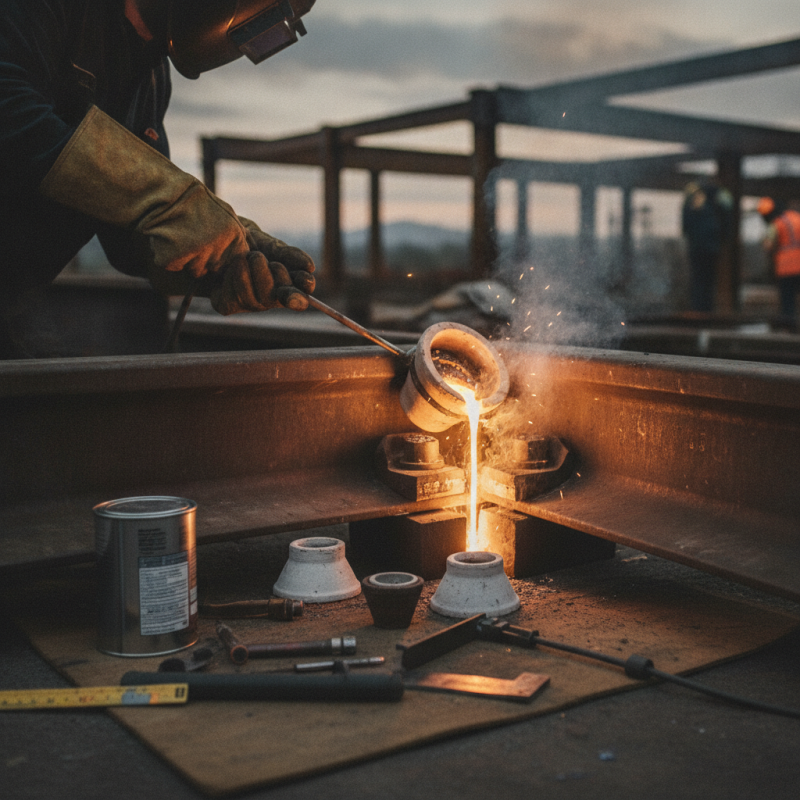
What is Aluminothermic Welding Kits and Why Do You Need Them?
Aluminothermic Welding Kits are essential tools in the welding industry. They offer a reliable method for joining metals using a chemical reaction. This process is efficient and can produce strong bonds, making it popular for rail and heavy construction applications.
Professionals appreciate Aluminothermic Welding Kits for their ease of use. However, they require proper training to ensure safety and effectiveness. The kits come with specific components, such as crucibles and metal powder. Understanding these parts is crucial for success.
While Aluminothermic Welding Kits are valuable, errors can occur without careful handling. Misalignment or incorrect ratios can lead to weak joints. It's vital to prioritize accuracy when using these tools. Overall, these kits represent a blend of innovation and practicality in metalworking.
What is Aluminothermic Welding and How Does It Work?
Aluminothermic welding is a process used to join metals through intense heat. This method utilizes a thermite reaction, where aluminum powder reacts with a metal oxide. When ignited, this reaction produces molten metal at high temperatures. The heat generated can reach over 2500 degrees Celsius, allowing for effective welding of steel rails and construction components.
In practice, aluminothermic welding is essential for rail installations. It creates a strong, durable bond that can withstand heavy loads. The simplicity of the setup is attractive. A user only needs to prepare the metal surfaces, mix the reactants, and initiate the reaction. However, safety precautions are necessary. The intense heat and molten metal can pose risks. Appropriate protective gear should be used, and proper ventilation is crucial.
Despite its advantages, there are challenges. Learning the correct technique takes time. Achieving uniform results is not always guaranteed. Some welds may require rework. Thus, consistent practice and experience are vital for mastering this welding method. A reliable kit can include all necessary materials, ensuring a smoother process. Yet, proper training in handling and application remains crucial.
Key Components of Aluminothermic Welding Kits Explained
Aluminothermic welding is a specialized process that requires specific kits designed for optimal performance. These kits typically include several key components like crucibles, aluminum powder, and ignition sources. The crucible is essential for holding the molten aluminum. It's designed to withstand high temperatures, ensuring a reliable melting process.
Another critical component is the aluminum powder, which serves as the primary material for the weld. This powder must be pure and of high quality to achieve strong welds. Proper handling is necessary to prevent contamination, as even small impurities can compromise the integrity of the weld. Additionally, ignition sources such as thermite igniters play a crucial role in initiating the reaction.
The practical use of these kits is straightforward yet demanding. Users must have a solid understanding of the materials and processes involved. Inexperience can lead to mistakes that affect the weld's quality. The need for safety precautions cannot be overstated. Accidental exposure to molten metal can be severe. Oversight in preparation or execution could lead to unsatisfactory results. Addressing these challenges requires ongoing education and practice.
Aluminothermic Welding Kit Components
The chart above illustrates the various components of aluminothermic welding kits and their respective quantities in kilograms. Understanding these components aids in choosing the right kit for your welding needs.
Advantages of Using Aluminothermic Welding Kits
Aluminothermic welding kits are essential for many industrial applications. These kits provide a unique method of welding, ideal for joining metals like rail tracks or heavy structures. They utilize a thermite reaction to produce intense heat. This process creates welds that are strong and durable, making them suitable for demanding environments.
One significant advantage of aluminothermic welding kits is their portability. They can be used on-site without the need for electric power. This independence enhances their usability in remote locations. The setup process is relatively simple, allowing for quick deployment. Additionally, the welds produced are often resistant to corrosion, which is crucial for outdoor structures exposed to harsh weather.
However, using these kits requires careful handling. The high temperatures involved pose safety risks. Proper training is vital to maximize safety and effectiveness.
Despite this, many professionals attest to the reliability and strength of the welds. These advantages make aluminothermic welding kits a preferred choice in various industries.
Applications and Industries Benefiting from Aluminothermic Welding
Aluminothermic welding is a specialized process widely used in various industries. This technique employs a chemical reaction between aluminum and metal oxides to produce heat. The molten metal that results is ideal for welding heavy steel sections, particularly in railway line construction and infrastructure projects. According to a report by the International Journal of Engineering Research and Applications, railway applications alone account for approximately 50% of the demand for aluminothermic welding.
Industries such as construction, shipbuilding, and heavy machinery manufacturing benefit significantly from this welding method. The process allows for strong, durable joints that withstand severe environmental conditions. For instance, in the construction sector, a study from the Structural Engineering Institute noted that aluminothermic welding increased structural integrity in bridges and buildings subjected to heavy loads.
However, there are challenges. The method requires precise control of the reaction process. Any deviation can lead to defective welds. Additionally, the initial setup costs can be high, which deters some smaller companies. Understanding these factors is crucial for organizations considering this welding technique.
Safety Considerations When Using Aluminothermic Welding Kits
When considering aluminothermic welding kits, safety must come first. These kits generate intense heat, often exceeding 2500 degrees Celsius. This temperature can cause severe burns or ignite nearby materials. Workers should always wear personal protective equipment (PPE) such as heat-resistant gloves and face shields. In high-risk areas, flame-retardant clothing is essential to prevent injuries.
Proper ventilation is crucial while using these kits. Toxic gases can be released during the welding process. A study by the American Welding Society indicates that exposure to such fumes requires effective fume extraction systems. Regular air quality monitoring is also recommended to ensure a safe working environment.
Training is vital for those operating aluminothermic welding kits. Knowledge about the equipment and its hazards significantly reduces the risk of accidents. An industry report highlighted that over 30% of welding injuries are related to improper training. Therefore, developing a robust training program is key for safety and efficiency. Always ensure that safety protocols are reviewed and reinforced regularly.
What is Aluminothermic Welding Kits and Why Do You Need Them? - Safety Considerations When Using Aluminothermic Welding Kits
| Feature | Description | Importance |
| High Temperature Capability | Aluminothermic welding kits can reach high temperatures necessary for welding steel. | Essential for effective welding of heavy section rails and steels. |
| Portability | Many kits are designed to be portable and easy to use on-site. | Allows for on-location repairs and reduces downtime. |
| Minimal Equipment Needed | Only basic components are needed, making it cost-effective. | Reduces initial investment and simplifies setup. |
| Safety Gear Required | Must use proper protective equipment such as gloves and goggles. | Prevents injuries from high temperatures and sparks. |
| Environmental Conditions | Suitable for various weather conditions, though rain may affect operations. | Increases versatility for outdoor applications. |