What is Absorption Heat Exchanger and Its Benefits for Businesses
The concept of an Absorption Heat Exchanger is gaining attention in the industrial sector. This technology offers a sustainable solution for businesses aiming to enhance energy efficiency. An Absorption Heat Exchanger utilizes waste heat for heating or cooling processes, reducing reliance on traditional energy sources.
Businesses can benefit significantly from this technology. It leads to lower operating costs, reduces carbon emissions, and supports sustainability goals. However, implementing an Absorption Heat Exchanger requires careful planning and consideration. Companies must assess their energy needs and infrastructure compatibility.
While the benefits are clear, challenges exist. Not all businesses may see immediate returns on investment. Understanding these complexities is crucial for successful implementation. Engaging with experts in the field can bridge this knowledge gap. The potential advantages of an Absorption Heat Exchanger make it worth exploring further.
What is an Absorption Heat Exchanger?
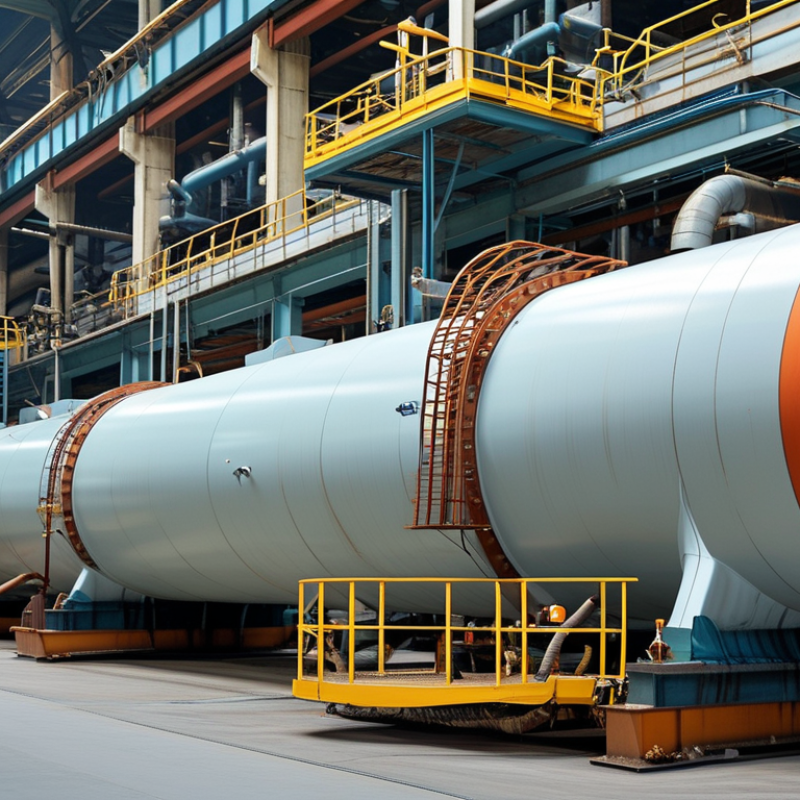
An absorption heat exchanger is a crucial component in many industrial heating and cooling processes. This technology uses a heat transfer medium, typically water or ammonia, to absorb thermal energy and redistribute it efficiently. According to the International Institute of Refrigeration, absorption systems can achieve energy savings of up to 30% compared to traditional heating methods. This can significantly reduce operational costs for businesses, especially in sectors like manufacturing and large-scale HVAC systems.
In practical applications, these exchangers often convert waste heat into usable energy. Research from the U.S. Department of Energy highlights that implementing absorption heat exchangers can lower greenhouse gas emissions by 20% in commercial settings. The ability to utilize existing heat sources makes them attractive for facilities seeking sustainability.
However, they also present challenges, such as the need for skilled maintenance and initial setup costs that may deter some businesses from adoption.
Operational efficiency can vary based on system design and environmental conditions. Some plants reported lower performance in extreme climates. This inconsistency prompts businesses to evaluate their specific needs and the applicability of absorption technology within their processes. It’s crucial to analyze the benefits while remaining cautious about potential limitations.
The Principle of Absorption Heat Transfer
Absorption heat exchangers utilize the principles of thermodynamics to transfer heat between two fluids. They operate on a closed-loop system that absorbs heat from one fluid, typically a refrigerant, and transfers it to another fluid. This process can significantly improve energy efficiency in industrial applications. A report by the International Energy Agency highlights that such systems can achieve up to 65% efficiency in heat recovery processes.
One strength of absorption heat exchangers lies in their ability to utilize waste heat. This functionality enhances energy usage, especially in industries with high heat outputs. With increasing global energy demands, optimizing heat transfer technology is vital. A study from the Department of Energy estimates that absorption heat exchangers can reduce greenhouse gas emissions by up to 30% when implemented effectively.
Despite their advantages, these systems are not without challenges. Installation and maintenance costs can be substantial. Businesses must balance these costs against long-term savings. Additionally, the selection of appropriate materials for heat exchangers is crucial for reliability and performance. Properly addressing these factors is essential for maximizing the benefits of absorption heat exchangers in any industrial setting.
Benefits of Absorption Heat Exchanger for Businesses
Applications of Absorption Heat Exchangers in Industries
Absorption heat exchangers (AHXs) have profound applications across various industries. These systems transfer heat from a low-temperature source to a higher-temperature area. They excel in scenarios where waste heat recovery is essential. Industries like manufacturing and food processing greatly benefit from AHXs. They can reuse heat from machinery to support heating needs, reducing energy consumption.
In the cooling sector, these exchangers help improve efficiency. For example, in large refrigeration systems, absorption heat exchangers use waste heat to generate chill water. This process significantly decreases electricity costs, making operations more sustainable. Nevertheless, not all applications witness optimal performance. Installation and maintenance can pose challenges that require careful planning.
Moreover, the varied effectiveness in different environments needs consideration. Factors like humidity and temperature variations affect efficiency. These complexities mean that while AHXs offer great potential, not every business can maximize their benefits. Each installation should be evaluated based on specific operational needs and circumstances.
Key Benefits for Businesses Utilizing Absorption Heat Exchangers
Absorption heat exchangers (AHE) offer significant advantages for businesses looking to improve energy efficiency. These systems utilize low-grade heat sources, converting excess thermal energy into usable heat. This process not only reduces energy demand but also lowers operational costs. By implementing AHE, companies can achieve substantial savings on their energy bills.
Additionally, AHEs contribute to sustainability goals. They help minimize waste heat, which often goes unused. This thoughtful approach aligns with corporate responsibility to reduce carbon footprints. For companies aiming to enhance their green credentials, AHEs provide a practical solution. However, businesses must weigh the initial investment against potential long-term savings.
Another important consideration is maintenance. While AHEs are generally low-maintenance, occasional issues may arise. Businesses need to be prepared for these challenges. Regular monitoring and assessment can prevent larger problems down the road.
Embracing absorption heat exchangers requires both a commitment and continuous evaluation to maximize their benefits.
Comparing Absorption and Traditional Heat Exchangers
When comparing absorption and traditional heat exchangers, the key differences become apparent. Traditional heat exchangers rely on mechanical refrigeration and can be quite energy-intensive. They require electricity to operate pumps and compressors, leading to higher operational costs. In contrast, absorption heat exchangers utilize a heat source, such as natural gas or waste heat, to transfer energy. This can lead to significant savings for businesses over time.
Absorption heat exchangers often have a higher initial installation cost. However, they make up for it through lower energy consumption. Many find the long-term benefits outweigh the upfront investment. Maintenance requirements also differ between the two systems. Traditional systems usually need more frequent service due to mechanical components. Absorption systems are simpler in design, which may lead to lower maintenance costs.
Despite the advantages of absorption heat exchangers, they are not suitable for every business. Companies must evaluate their specific energy needs and operational conditions. An analysis is essential to determine the best fit. Some may discover that the operational flexibility of traditional systems better aligns with their processes. The decision ultimately hinges on understanding unique business dynamics and long-term goals.