
Choosing the best Ev Tires in 2026 takes more than chasing a long-range claim. The International Energy Agency’s Global EV Outlook 2025 reports that electric-car sales reached about 17 million in 2024, exceeding one-fifth of global car sales. More EVs on the road mean more buyers weighing tire range, wet-road grip, cabin noise, and replacement cost.
The trade-offs show up on ordinary roads. A quiet tire may feel calm on smooth pavement, but wet braking and tread life still matter. A soft compound can grip well, yet wear faster under a heavy vehicle’s instant torque. Tyre Reviews founder Jonathan Benson’s comparative testing reflects a useful principle: tire performance should be judged across several conditions, not by one headline result. That is a paraphrase, not a direct quotation.
Look closely at each tire’s load rating, independent wet-braking tests, noise measurements, and warranty terms. Then compare results for your vehicle size; a strong test result in one size may not apply to another. No single model wins for every driver. This guide compares leading 2026 options by the needs buyers can actually feel: confident braking in rain, a quieter commute, dependable wear, and value over time. The best choice is the one that fits your car, routes, and priorities—not simply the one promising the most miles.
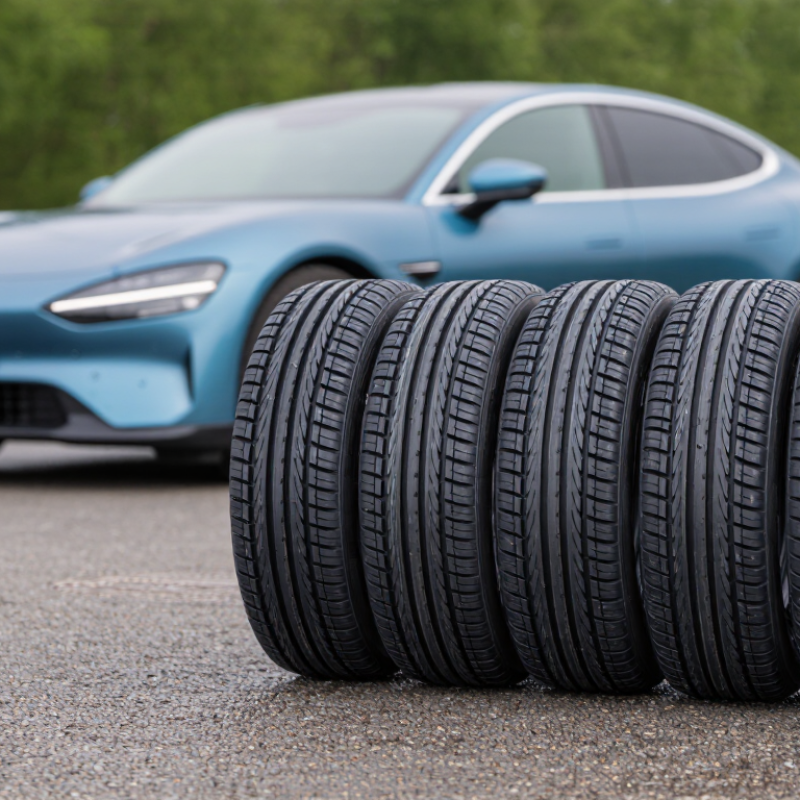
EV tire choice begins with vehicle load, not a badge or trend. Battery packs can make EVs heavier than similar gasoline cars. Instant torque can also stress tread during hard starts. That does not mean every EV needs a uniquely labeled tire. Check the vehicle placard for the correct size, load capacity, and pressure; these details matter more than a broad “EV-ready” claim. Quiet matters. With less engine noise masking the road, tread pattern and rubber can make cabin sound more noticeable.
Low rolling resistance can help preserve driving range, but it is only one part of performance. A low-resistance tire may save energy on smooth roads, yet wet-road grip still depends on design and condition. Look for clear wet-braking information, suitable seasonal capability, and a load rating that meets the car’s requirements. Fit matters most. Keep pressure near the stated target and check it when tires are cold; underinflation can increase heat, wear, and energy use. Rotation intervals and alignment deserve attention because EV torque may expose uneven wear quickly. Range claims are not guarantees.
When assessing EV tires in 2026, start with load capacity, wet-road grip, rolling resistance, and noise. Battery weight and instant torque can make tire choice especially noticeable, but no single specification predicts real-world performance. Check the vehicle’s required size and load index before comparing alternatives.
The U.S. Department of Energy’s FuelEconomy.gov says a 1 psi pressure loss across all four tires can reduce fuel economy by about 0.2%. That figure comes from fuel-economy guidance, not a guaranteed EV-range test, but it shows why pressure matters. Check tires when cold, using the vehicle placard—not the maximum pressure printed on the sidewall. Small detail. The European Commission’s tire label rates rolling resistance, wet grip, and external noise, giving buyers comparable starting points. Still, label results cannot capture every road surface, temperature, or cabin sound. I would compare independent tests in the tire’s exact size, then reassess after a few weeks of commuting. Real wear and range may differ from lab results.
For a compact electric sedan used mainly on city streets, low rolling resistance and a quiet tread can make daily trips more comfortable. Listen for a steady hum on coarse pavement; a tire that sounds calm in a showroom may be louder at highway speed. Range matters, but wet braking and the correct load rating matter more than chasing the lowest resistance figure. Check the vehicle manual before comparing options.
Drivers who enjoy quick acceleration should look for predictable grip and stable cornering, while accepting that softer, grippier tires may wear sooner. That trade-off is easy to underestimate. For a heavier electric crossover, verify load capacity and choose a tread suited to its usual roads; extra weight can stress tires during repeated stops and turns. Snowy commutes call for a tire designed for winter conditions, not just a confident-looking tread pattern. Worth checking. Compare the full tire specifications, then keep pressure at the vehicle maker’s recommendation. Even a strong tire feels different when underinflated, and no single option suits every driving style.
A practical comparison of tire types for common EV buyer priorities. Scores are qualitative fit ratings from 1 (lower priority) to 5 (higher priority), not results from a controlled tire test.
How to use this chart: Touring tires are a balanced choice for everyday driving; low-rolling-resistance tires prioritize efficiency; performance tires emphasize handling; and winter tires are designed for cold-weather traction. Check your vehicle’s approved tire size and load rating before buying.
Choosing an EV tire means balancing efficiency with control, not chasing one impressive number. Lower rolling resistance can support driving range, but the real effect depends on speed, temperature, road surface, and driving style. Check that the tire’s load rating suits the vehicle; EV battery weight makes this detail important. Keep pressures at the vehicle maker’s recommended level, since underinflation can increase energy use and heat.
Grip deserves close attention in rain. A short wet-braking distance matters more than a sporty feel during a quick test drive. Listen closely. Quiet cabins can make tire hum more noticeable, especially on coarse pavement. A smoother ride often comes from thoughtful construction and suitable sidewall flexibility, though comfort may trade off against sharp steering response. I still find this balance easy to misjudge from specifications alone.
Tread life depends on tire design, alignment, pressure, road conditions, and acceleration habits. Instant torque can wear tread faster when launches are frequent, but careful driving helps. Compare independent test results under similar conditions, and treat mileage estimates as guides, not promises. One practical check: inspect tread and pressure regularly, then note changes in range, cabin noise, and wet-road confidence. A small log can reveal more than memory.
This comparison describes common tire design categories rather than specific products. Ratings are general trade-offs, not standardized test scores: actual results depend on tire size, vehicle, temperature, road surface, maintenance, and driving style.
| Tire Design Category | Range Efficiency | Grip | Road Noise | Ride Comfort | Tread-Life Potential | Best Fit for EV Buyers |
|---|---|---|---|---|---|---|
| EV-oriented touring all-season | High when the model uses low-rolling-resistance construction | Balanced dry and wet grip; not intended for severe winter conditions | Often low; some designs use noise-reducing features | Usually comfortable for daily driving | Moderate to high; depends on compound, alignment, and driving habits | Drivers seeking a balanced mix of efficiency, quietness, and everyday usability |
| Low-rolling-resistance touring | Very high potential; lower rolling resistance can reduce energy use | Generally adequate for everyday use, but performance varies by model and conditions | Low to moderate | Comfortable, especially on smoother roads | Moderate to high, depending on tread compound and use | Commuters prioritizing energy efficiency and long-distance range |
| Grand-touring all-season | Moderate to high; typically trades some efficiency for broader comfort and grip goals | Good everyday dry and wet capability; winter ability varies | Low to moderate | High; commonly designed for a smooth ride | Moderate to high, subject to the specific tire and vehicle | Buyers who value quiet comfort and versatile year-round driving |
| Ultra-high-performance all-season | Moderate; wider or performance-focused designs can increase rolling resistance | High dry grip and responsive handling; wet and cold-weather performance varies | Moderate; more road sound is possible | Moderate; firmer handling-focused tuning is common | Low to moderate compared with touring-oriented designs | Drivers who want sharper handling and stronger warm-weather grip |
| Dedicated winter tire | Low to moderate in cold-weather use; winter compounds and tread patterns can raise energy use | High in snow and cold conditions; designed for winter traction | Moderate; tread pattern may sound louder on dry pavement | Moderate; depends on tire construction and road conditions | Best preserved when used seasonally and removed in warmer weather | Drivers who regularly encounter snow, ice, or sustained low temperatures |
| All-weather tire with winter capability | Moderate; commonly a compromise between seasonal efficiency and year-round traction | Good year-round versatility, including some snow capability; not identical to a dedicated winter tire | Moderate | Moderate to comfortable | Moderate; continuous year-round use affects wear | Drivers who need one set for changing conditions and occasional winter weather |
Buying tip: compare tires in the correct size and load rating for the vehicle, and check independent tests for the exact models being considered. Tire pressure, wheel alignment, load, speed, and temperature all affect range, grip, noise, comfort, and tread wear.
EV tire shopping starts with fit, not marketing claims. Check the vehicle manual or door placard for the correct size, load rating, and pressure. Electric vehicles can be heavy, and their quick acceleration can wear tread faster. A tire that fits the wheel but lacks the required load capacity is not a sensible bargain. Small detail, big consequence.
Budget matters, but compare the full cost of ownership. A lower-priced tire may have a shorter usable life, while a low-rolling-resistance design can help preserve driving range. The benefit varies with speed, temperature, and driving style, so treat range figures as estimates. If you drive mostly across town, comfort and wet braking may matter more than chasing a tiny efficiency gain. I might be overvaluing quietness here; rough pavement can make even a quiet tire sound busy.
Climate should guide the tread and rubber choice. In regions with regular freezing temperatures, use tires designed for winter conditions; all-season options are not a substitute in every case. For frequent rain, look for strong wet-grip performance and replace worn tires before shallow grooves become a problem. On gravel or broken city streets, durability may deserve extra weight. Match the tire to your roads, then check pressure monthly and after sharp temperature changes.
Contact Us