2026 Best Titanium Welding Techniques for Global Buyers?
In the world of manufacturing and construction, "Titanium Welding" stands out as a critical process. This technique is essential for joining titanium parts, known for their strength and lightweight characteristics. As global demand rises, understanding the best welding practices is crucial for buyers in various industries.
Many techniques exist, each with unique advantages and challenges. For example, Gas Tungsten Arc Welding (GTAW) offers precision but requires skilled operators. Conversely, more straightforward methods may compromise on quality. Buyers face difficult choices when selecting the right approach. Inconsistent results can lead to increased costs and safety concerns.
Staying informed about advancements in titanium welding is vital. Developing a sophisticated understanding of these techniques enhances quality and reliability. Knowledgeable buyers can better navigate the complexities of this field. Ultimately, mastering titanium welding demands a balance of experience, expertise, and ongoing learning.
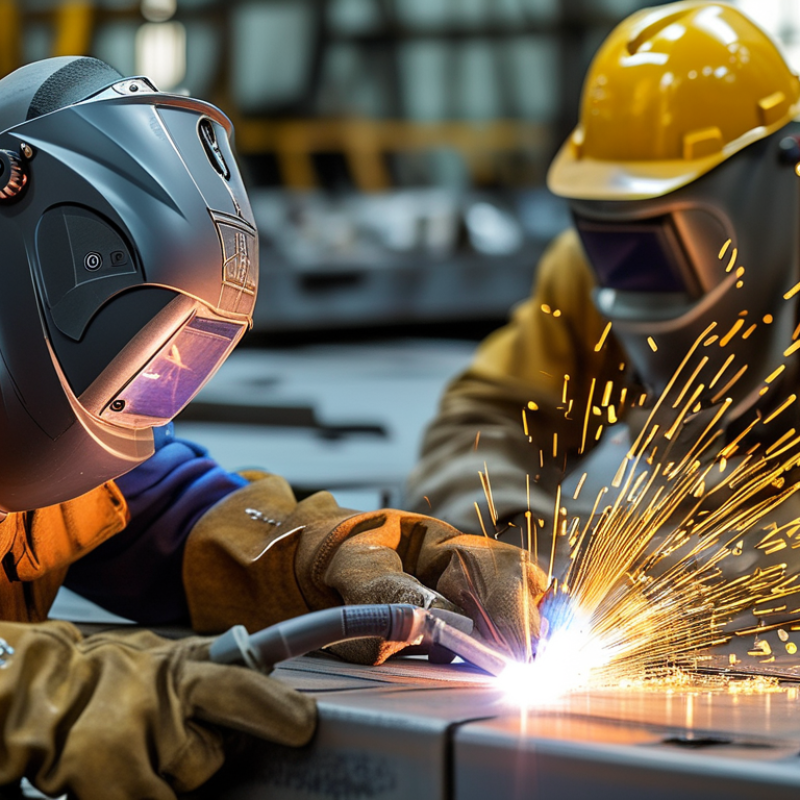
Understanding Titanium Welding: Properties and Challenges
Titanium welding presents unique properties and challenges due to the metal's composition. Titanium is lightweight and resistant to corrosion, making it ideal for various applications. However, the welding process can be tricky. It requires precise control of heat and an inert environment to avoid contamination. Exposure to oxygen can lead to defects, such as brittleness.
Welders must choose appropriate techniques. Gas Tungsten Arc Welding (GTAW) is often preferred for thin sections. It provides a clean and precise weld. Yet, this process can be slow and demanding. On the other hand, Electron Beam Welding (EBW) offers speed and high penetration. It may lack the finesse needed for intricate designs.
Understanding these factors is crucial for successful titanium welding. Each technique has its pros and cons. Welders must reflect on their experiences and refine their skills. Continuous learning can help overcome challenges and improve outcomes. Embracing these complexities can lead to better results in projects involving titanium.
Essential Equipment for Titanium Welding: A Buyer’s Guide
When it comes to titanium welding, selecting the right equipment is crucial. Many welders opt for tungsten inert gas (TIG) welding machines due to their precision. A reliable power supply unit ensures consistent performance. Consider equipment capable of handling various thicknesses, as titanium comes in a range of forms.
Protection is also vital in titanium welding. You should invest in high-quality personal protective equipment (PPE). This includes welding helmets with proper filtration. Choosing the right gloves is equally important. They must provide dexterity while protecting from high temperatures.
Furthermore, proper shielding gas is often overlooked. Argon is generally preferred for titanium welding. It helps prevent oxidation, ensuring stronger welds. Different projects may require adjustments in flow rates. It’s essential to fine-tune settings based on specific conditions. While some may prioritize speed, taking the time to set up correctly ensures better outcomes.
Popular Titanium Welding Techniques: A Comparative Overview
When considering welding techniques for titanium, a few popular options stand out. Gas Tungsten Arc Welding (GTAW) is known for its precision. It uses a non-consumable tungsten electrode, ideal for thin sections. Another common method is Plasma Arc Welding (PAW), which offers a more concentrated heat source. This is beneficial for challenging joints and thicker materials.
MIG welding, while less common for titanium, is noted for its high deposition rates. However, it requires careful monitoring of parameters. In contrast, Electron Beam Welding (EBW) delivers a deep penetration and is effective in a vacuum. But it demands specialized equipment and expertise.
Knowing the limitations of each method is crucial. For example, GTAW can be slow, impacting productivity. Similarly, MIG may lead to contamination if not managed properly. Always evaluate the appropriate technique based on the project requirements. Also, consider the environment and cleanliness, as titanium is sensitive to impurities. Effective welding results from understanding these nuances, ensuring durability and strength in your finished product.
Safety Practices in Titanium Welding: Protecting Workers and Products
Safety is paramount in titanium welding. Workers face unique hazards, such as exposure to harmful fumes and high heat. According to a 2021 report from the American Welding Society, nearly 35% of welding injuries result from inadequate safety practices. This statistic underscores the need for robust safety protocols and training.
Proper ventilation systems help minimize fume exposure. Employers must ensure that workers have access to quality personal protective equipment (PPE). This includes fire-resistant clothing, gloves, and respiratory protection. A study from the Institute for Occupational Safety and Health revealed that workers using appropriate PPE can reduce injury incidents by 40%.
Moreover, it’s crucial to maintain a clean work area. Clutter can lead to accidents, particularly with specialized equipment. Regular safety audits can identify potential hazards before they cause harm. Engaging workers in safety discussions can foster a culture of awareness. Ultimately, consistent focus on safety practices promotes a healthier work environment and enhances product quality.
Future Trends in Titanium Welding: Innovations and Sustainability
Titanium welding is evolving rapidly, driven by innovations focused on efficiency and sustainability. Advanced techniques are enhancing the quality and strength of welds. These methods reduce waste and promote energy efficiency, aligning with global sustainability goals. For instance, laser welding presents a promising approach. It minimizes thermal distortion, resulting in stronger joints and less material waste.
Emerging technologies, such as additive manufacturing, are also reshaping the landscape of titanium welding. This technique allows for precise layer-by-layer construction, reducing excess material usage. However, the transition to these methods isn't without challenges. The initial costs can be high, and not all facilities may have the required technology or expertise. Understanding the importance of technician training is vital for successful implementation.
Investing in sustainable practices requires a shift in mindset within the industry. Companies must evaluate their processes critically. This includes assessing the environmental impact and efficiency of existing techniques. As titanium welding continues to advance, adapting to these innovations will be essential. Embracing change is crucial, even if it brings some uncertainties.