
A sudden shower can turn a comfortable commute into a cold, damp walk. A reliable Mens Rain Coat should help you stay dry without feeling like a plastic shell. For 2026, this guide looks at practical details that matter outdoors: waterproof construction, sealed seams, breathable fabrics, adjustable cuffs, and a hood that stays put in wind. Small features count. A zipper flap, longer hem, or secure pocket can make a real difference when rain arrives sideways.
The right choice depends on how and where you wear it. A lightweight jacket may suit quick errands, while hikers often need stronger weather protection and room for warm layers. Check product specifications carefully, and treat claims such as “waterproof” as a starting point rather than a guarantee. Fit, maintenance, and time in heavy rain can all affect performance. No coat is perfect. A highly protective design may feel warm during an active walk, while a packable option may offer fewer adjustments. That trade-off is easy to overlook. The sections ahead compare useful features and common coat styles, helping you choose based on real conditions, not just a product label.
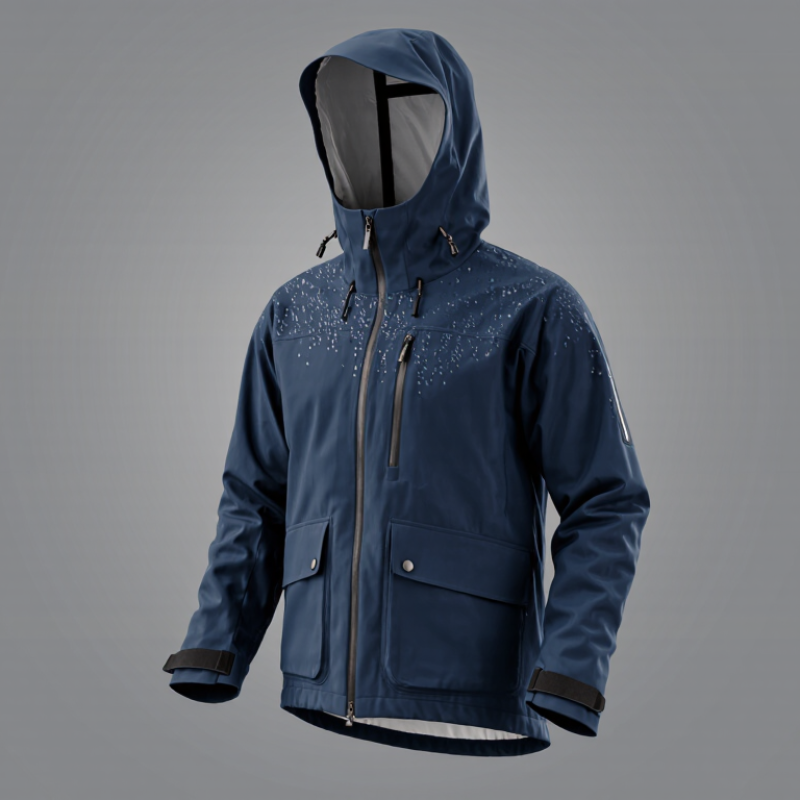
An all-weather men’s raincoat must keep water out without trapping every bit of body heat. The IPCC Sixth Assessment Report estimates that extreme daily rainfall intensity rises by about 7% per 1°C of global warming. That makes reliable protection more than a marketing phrase. Look for a waterproof shell, sealed seams, and a hood that stays put when wind pushes rain sideways. ISO 811 tests fabric resistance to water pressure, but a test result alone cannot predict comfort during a long walk. Construction matters. A weak zip or loose cuff can let rain reach your sleeves.
Breathability matters just as much on a damp commute as on a steep trail. Check whether the maker reports moisture-vapor performance and explains its test method; figures are hard to compare when methods differ. Underarm vents and adjustable cuffs help release heat, while room for a light mid-layer makes the coat more useful in cold drizzle. Try moving your arms as if reaching for a bus strap. Does the hem ride up? Does the hood block your view? Small fit flaws become obvious in real rain. No coat handles every storm. A heavy shell can feel clammy, and even excellent fabric cannot fix poor fit.
A raincoat stays waterproof through a system, not one miracle fabric. A tightly woven face fabric sheds light rain, while a polyurethane coating or membrane blocks liquid water. Durable water-repellent treatment helps droplets bead instead of soaking the surface. It wears down over time. Follow care instructions, and reproof when needed.
Textile Exchange’s 2024 Materials Market Report estimates polyester accounted for 57% of global fiber production in 2023. Its widespread use explains why polyester shells are common, but fiber choice alone does not determine waterproofness. Check for taped seams, covered zippers, adjustable cuffs, and a storm flap. Needle holes can leak even when the fabric itself performs well. Small details matter.
For measurable evidence, EN 343:2019 assesses rain protection through water-penetration and water-vapour-resistance tests; its highest water-penetration class exceeds 20,000 Pa. Ask for a tested class, not just an “all-weather” claim. Breathability matters, too: a less breathable coat can trap sweat during a brisk walk. That trade-off is easy to overlook. A membrane cannot compensate for poor fit if movement pulls cuffs or seams out of place.
Fit affects more than appearance. A coat that pulls across the shoulders can restrict movement when you reach for a bag or steer a bicycle. Try it over the layers you actually wear, then raise your arms and bend forward. The hem should cover your lower back without tangling around your knees. Sleeves should reach your wrists when your arms extend. Small details matter.
Design also determines where rain can sneak in. A well-shaped hood should turn with your head, while an adjustable opening helps keep wind-driven rain away from your face. Cuffs that close neatly limit water running toward your hands. A storm flap over the front zipper adds another barrier, though it can feel bulky when fully fastened. Comfort is a trade-off. A close fit may reduce drafts, but too little room can make a warm midlayer uncomfortable. Check that seams sit smoothly and the lining does not bunch when you move. One detail is easy to overlook: a longer coat can protect more of your clothing, yet feel awkward when climbing stairs. Try a few natural movements before deciding.
EN 343 classifies rainwear by its resistance to water penetration. Higher classes require the material to withstand greater hydrostatic pressure. This rating does not measure fit: an adjustable hood, secure cuffs, and enough room for comfortable movement can help a coat work well in changing weather. Check the garment’s stated rating and fit, since seams and construction also affect protection.
Source: EN 343:2019 water-penetration resistance thresholds. Values shown are minimum pressure thresholds, not a measure of overall garment performance.
For mild, showery climates, a lightweight, packable raincoat works well for commuting and short walks. Look for an adjustable hood, sealed seams, and enough room for a thin sweater. In warm, humid weather, prioritize ventilation and a breathable lining; a heavy insulated coat can quickly feel clammy. Water resistance alone is not enough if sweat has nowhere to escape.
Cold, windy conditions call for a longer shell with a storm flap, snug cuffs, and space for layered clothing. For hiking, choose a coat with a durable outer fabric and a hood that stays put when you turn your head. Cyclists may prefer a longer back hem and reflective details, while travelers often value pockets that remain usable with a backpack. The best cut depends on movement, not just appearance. One common mistake is choosing a thick coat for every season; it may be warm, but often sits unused on mild days.
Tips: Check the care label and restore the water-repellent finish when rain stops beading on the fabric. Try the coat over your usual layers before buying. Small fit differences matter. A hood that blocks your view is a real drawback, even if the coat looks ideal on a hanger.
A men’s raincoat should match the weather you actually face, not an idealized forecast. Compare fabric, seams, hood adjustment, and ventilation before choosing a style. A waterproof rating describes resistance to water pressure; it does not guarantee comfort during a long, sweaty walk. AATCC TM127 measures water resistance using hydrostatic pressure, while ISO 11092 measures evaporative resistance. These standards provide useful test data, but neither replaces checking fit and construction. Look for sealed seams and a hood that turns with your head. Try the coat over a sweater. Small details matter.
For everyday showers, a lighter shell may feel easier to carry. For steady rain, prioritize a longer cut, secure cuffs, and a storm flap over the zipper. Breathability matters when you walk quickly or carry a backpack. Lower evaporative resistance in ISO 11092 testing indicates easier water-vapor transfer, but ventilation openings and activity level also affect comfort. There is no perfect coat. I still find that a highly protective shell can feel clammy on a crowded commute, even when its specifications look impressive.
Care affects performance. Follow the garment’s care label, close fasteners, and wash away dirt that can interfere with water-repellent finishes. Avoid fabric softener unless the care instructions permit it. After washing, check whether water still beads on the surface; if it spreads into the fabric, the finish may need renewal. Dry the coat as directed, and inspect seam tape for lifting. Store it fully dry, not crumpled in a damp bag. A little upkeep helps.
Contact Us